
The complete fleet electrification solution.
From electric vehicles and charging infrastructure to on-site solar, battery storage and financing, we deliver everything you need to transition your fleet. We reduce your operating costs and make the move to electric simpler.
Estimate your fleet’s energy cost savings
Step 1 of 2: Your fleet
Why now
The economics of running a diesel fleet have fundamentally changed.
Electric vehicles paired with on-site solar and battery storage replace volatile fuel costs with low-cost, self-generated energy. As diesel prices and carbon taxes continue to rise, businesses can now significantly reduce the cost of every kilometre while improving energy security and cutting emissions.
Diesel costs keep increasing
Diesel prices remain volatile, making fleet operating costs difficult to forecast. Carbon levies and the increasing national carbon tax continue to add further pressure, making every litre more expensive over time.
Generate your own fuel
Charge your fleet using electricity generated from your own solar system and battery storage instead of buying diesel. By producing the energy that powers your vehicles, you lock in a lower and more predictable cost per kilometre while reducing exposure to fuel price volatility.
Proven by South African fleets
The business case is no longer theoretical. Across millions of kilometres driven, leading South African fleets have demonstrated lower operating costs while maintaining the performance and reliability required for commercial operations.
One integrated solution
Everything you need to electrify your fleet from one partner.
Electric Vehicles
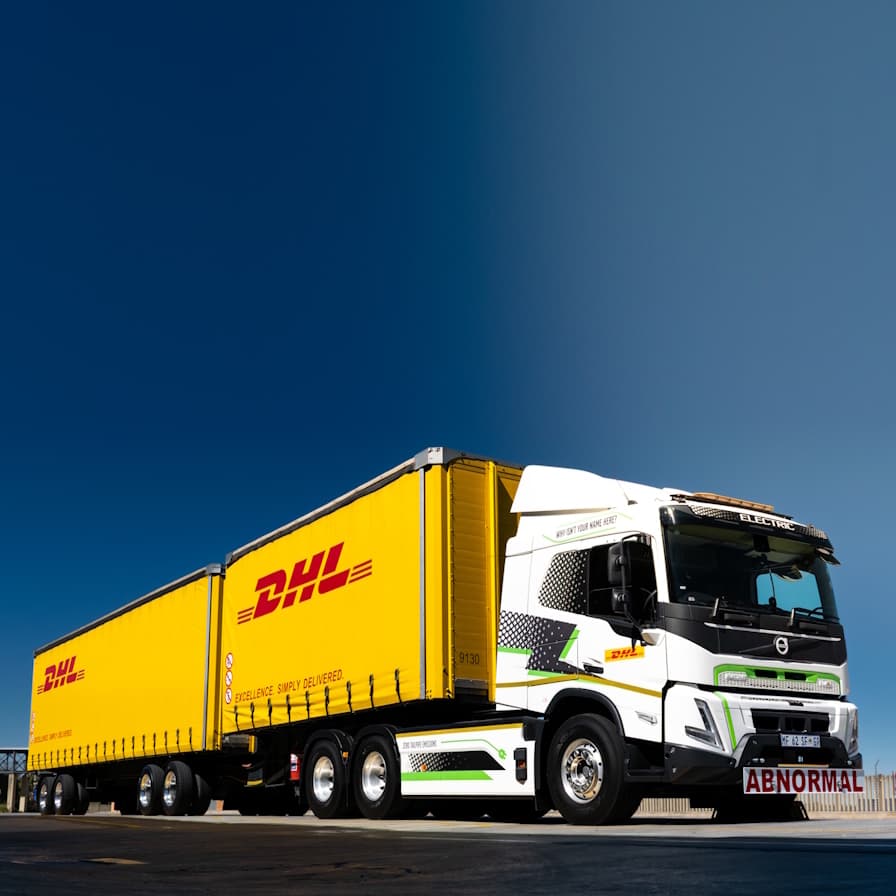
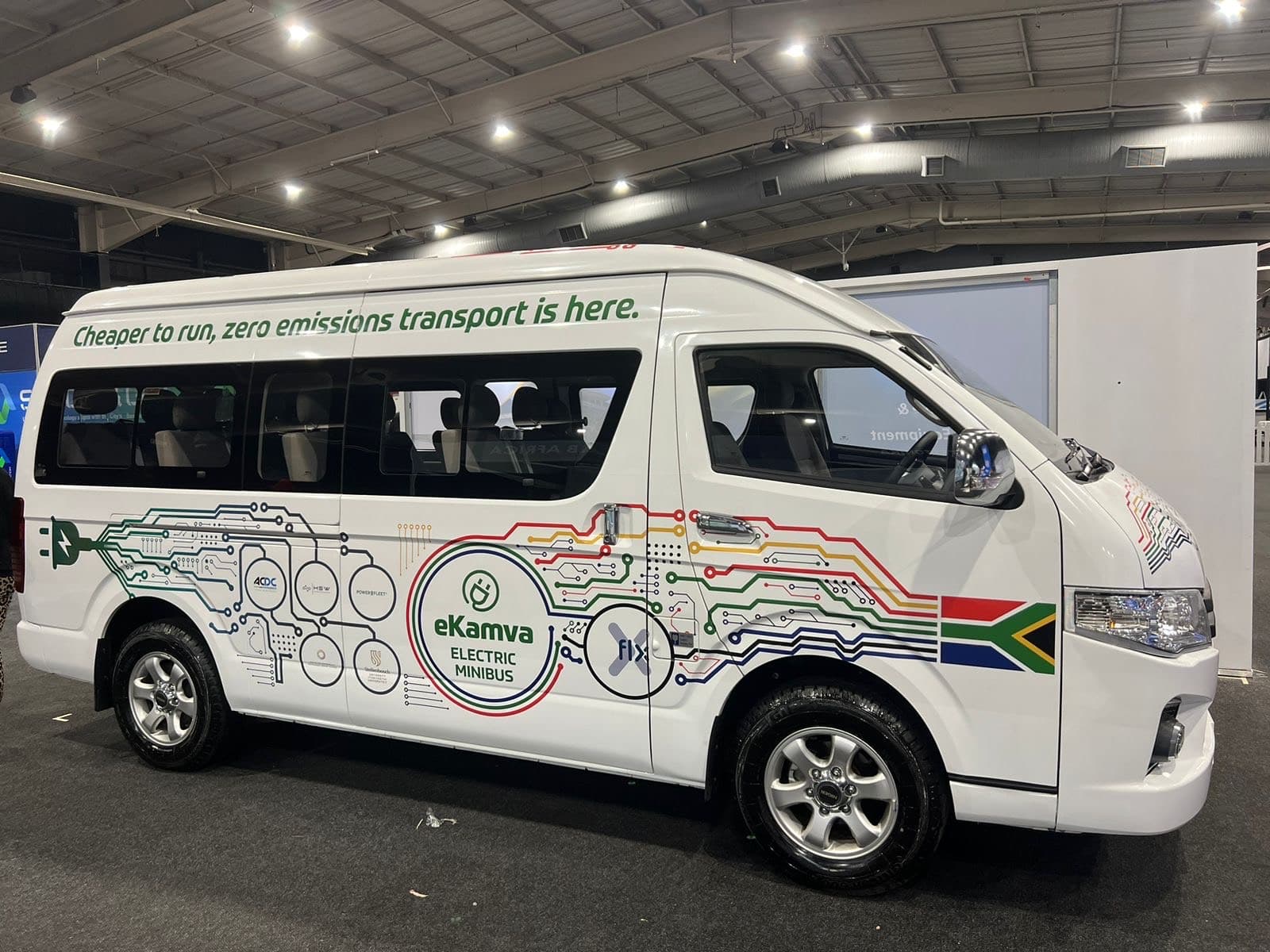
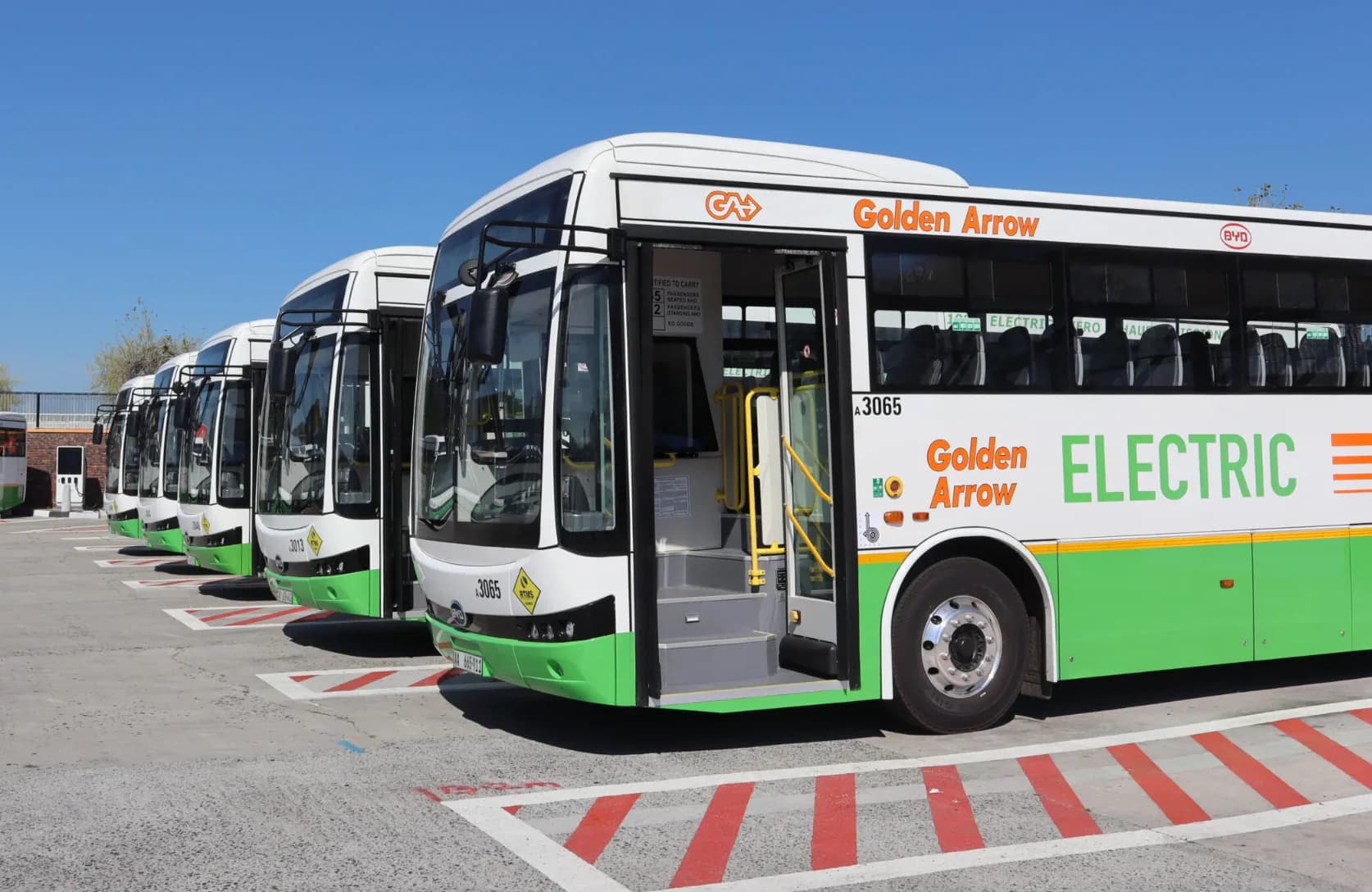
We source and supply the right electric vehicles for your operation, from vans and bakkies to urban trucks, minibuses and buses. Each is matched to your routes, payloads and operational requirements.
Charging Infrastructure
We design and install AC and DC charging infrastructure strategically across your depots, facilities, and operational routes. Intelligent load management optimises charging schedules, minimises demand peaks, and reduces charging costs.
Renewable Energy
Power your fleet with renewable electricity from on-site solar, battery storage, off-site wheeling or the optimal combination of all three. We design the right energy strategy to minimise your cost per kilometre while improving energy security and reducing emissions.
Financing
We finance every part of your fleet electrification project, from vehicles and charging infrastructure to renewable energy systems. Choose between flexible subscriptions or financed ownership, with little to no upfront capital.
Fleet-as-a-Service
Go electric with zero upfront capital.
Fleet-as-a-Service
Electrify your fleet with little to no upfront capital.
Transition to electric through a fully managed subscription. We provide the vehicles, charging infrastructure and renewable energy solution as one integrated service, with flexible monthly or per-kilometre pricing that grows with your business.
Benefits
- Little to no upfront capital investment.
- Fixed monthly or per-kilometre pricing.
- Maintenance, insurance and charging included.
- Fully managed and optimised throughout the contract.
Outright Purchase
Own your fleet. Capture the full lifetime returns.
Purchase your electric vehicles, charging infrastructure and renewable energy system outright, or finance the investment through our lending partners. You own the assets from day one while maximising long-term savings and tax benefits.
Benefits
- Full ownership of all fleet and energy assets.
- Vehicles, charging and renewable energy in one solution.
- Eligible solar assets qualify for the Section 12B first-year tax deduction.
- Maximum lifetime savings and return on investment.
All financing is subject to credit approval. Section 12B and tax treatment should be confirmed with your tax advisor.
Built for your operation
The best fleets for electrification already follow predictable schedules.
If your vehicles return to the same depot each day, they can charge from dedicated infrastructure and renewable energy. That delivers the lowest cost per kilometre and the fastest return on investment.
Last-Mile & E-commerce Delivery
Urban delivery fleets are one of the strongest commercial cases for electrification. Predictable daily routes, frequent stop-start driving, and overnight depot parking allow vehicles to recharge during off-hours using dedicated charging infrastructure and renewable energy. Combined with high annual mileage, these operating characteristics maximise fuel savings and deliver a lower cost per kilometre.
Why it works
- Predictable urban routes typically under 200 to 250 km per day.
- Vehicles that return to a depot or distribution centre each night.
- High stop-start utilisation where regenerative braking improves efficiency.
- High annual mileage where fuel and maintenance savings compound quickly.
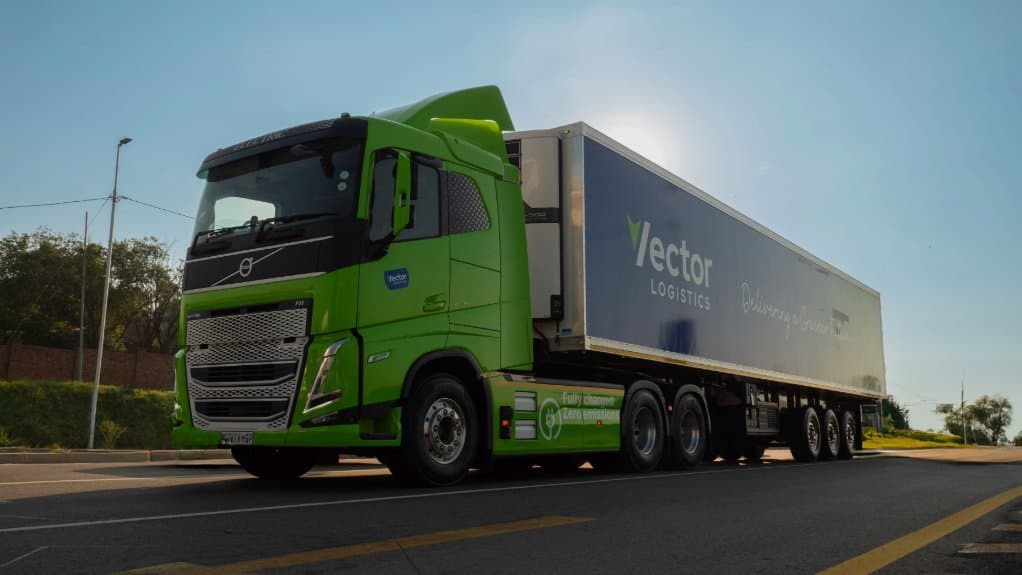
Industry example:41 Electric Delivery Vans
Woolworths & DSV

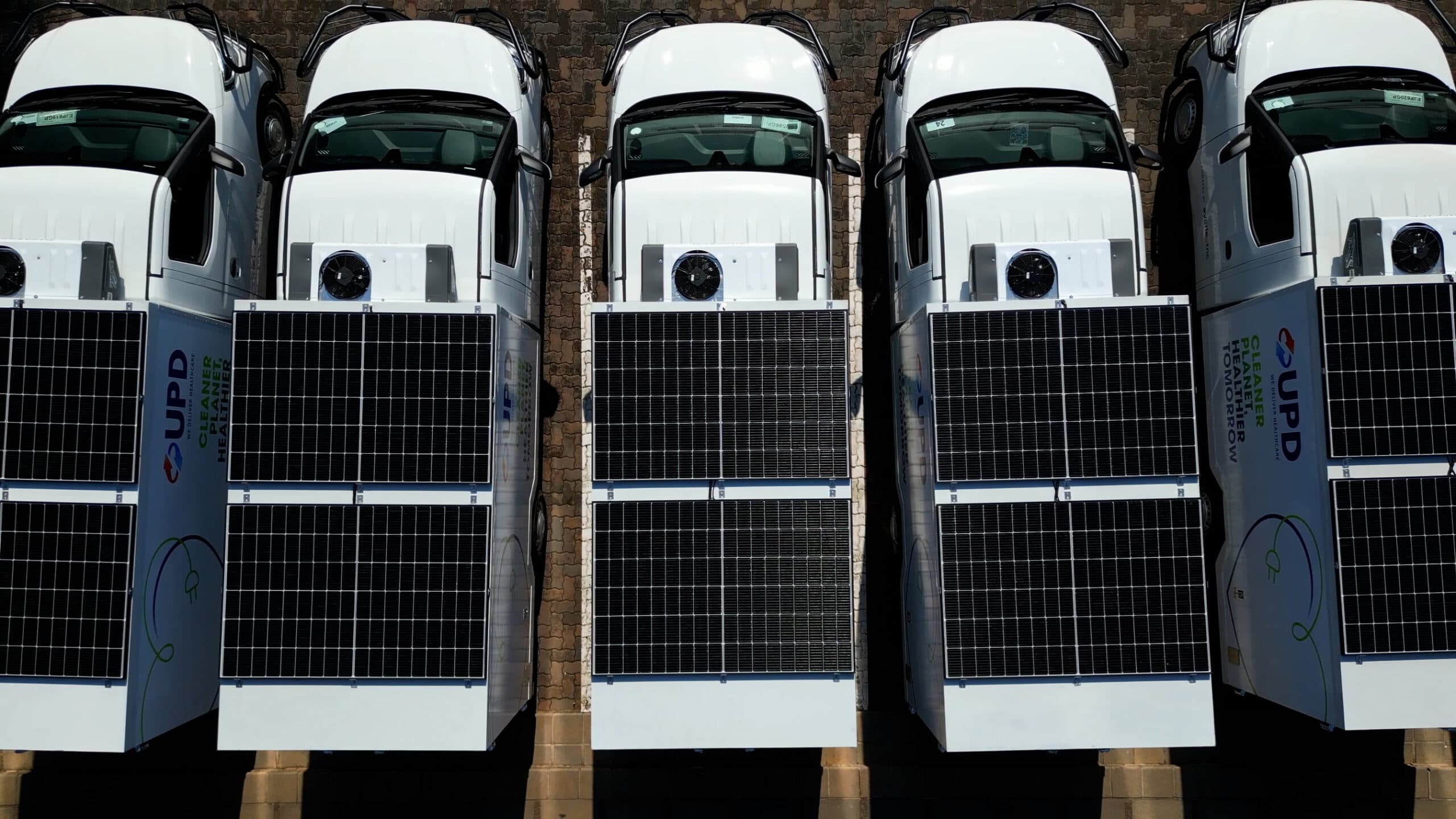
Electric delivery vans operating from solar-powered depots, avoiding approximately 400 tonnes of tailpipe CO₂ emissions each year while demonstrating the commercial viability of fleet electrification in South Africa.
Shown as an example of commercial electric fleets in South Africa. Phoenix Energy was not involved.
How it works
Your journey to fleet electrification
A simple, transparent process — from first conversation to ongoing savings.
Fleet Assessment
Understand your fleet and identify the electrification opportunity.
FreeBusiness Case
Receive a detailed business case covering vehicles, charging infrastructure, renewable energy, financing and projected operating savings.
1-2 weeksDelivery
We procure, install and commission your complete fleet electrification solution—from vehicles to charging and renewable energy.
Project deliveryOptimisation
We monitor fleet performance, optimise charging and energy costs, and provide ongoing reporting to maximise long-term savings.
ContinuousFleet Assessment
Understand your fleet and identify the electrification opportunity.
FreeBusiness Case
Receive a detailed business case covering vehicles, charging infrastructure, renewable energy, financing and projected operating savings.
1-2 weeksDelivery
We procure, install and commission your complete fleet electrification solution—from vehicles to charging and renewable energy.
Project deliveryOptimisation
We monitor fleet performance, optimise charging and energy costs, and provide ongoing reporting to maximise long-term savings.
ContinuousFAQ
Fleet electrification, answered.
- Return-to-depot fleets typically deliver the strongest business case because charging can be planned around your operations and supported by the lowest-cost energy available, whether from on-site solar, battery storage, off-peak grid electricity or wheeled renewable energy. If your vehicles operate differently, we’ll assess your routes, charging opportunities and operating profile to determine whether electrification is commercially viable.
- For many commercial fleets, yes. Most urban and regional operations fall comfortably within the range of today’s electric vehicles. During our assessment, we analyse your routes, daily mileage, payloads and charging opportunities to recommend vehicles that meet your operational requirements.
- Your charging infrastructure can continue operating during load-shedding using on-site solar and battery storage, helping keep your fleet charged and your operations moving. It’s one of the reasons we try to integrate renewable energy into every fleet electrification strategy.
- Not unless you want to. Our flexible commercial models range from fully managed subscriptions with little to no upfront capital to outright ownership, whether self-funded or financed.
- Across 12.5 million kilometres of South African operation, electric fleets have run 23 to 27% cheaper than diesel. Your saving depends on distance, vehicle type and whether you charge from solar: our estimator gives an indicative figure and the assessment confirms it.
- Modern EV batteries are designed for years of commercial operation and are backed by manufacturer warranties. With Fleet-as-a-Service, battery performance and residual-value risk remain with us. If you choose ownership, we’ll help you select vehicles with proven long-term value and warranty support.

Electrify your fleet
Discover the most cost-effective path to fleet electrification.
We’ll assess your fleet, model the potential savings, and recommend the right vehicles, charging infrastructure, renewable energy strategy, and commercial model for your business.
Book a free fleet assessment